Remote Video Monitoring
Cameras that interrupt crime, not just record it
An unmonitored camera gives you footage of your loss. A monitored one gives you an intervention: AI-assisted detection, a trained operator, a live voice-down warning — and if that doesn’t end it, an officer on the way. That’s the difference between evidence and prevention.
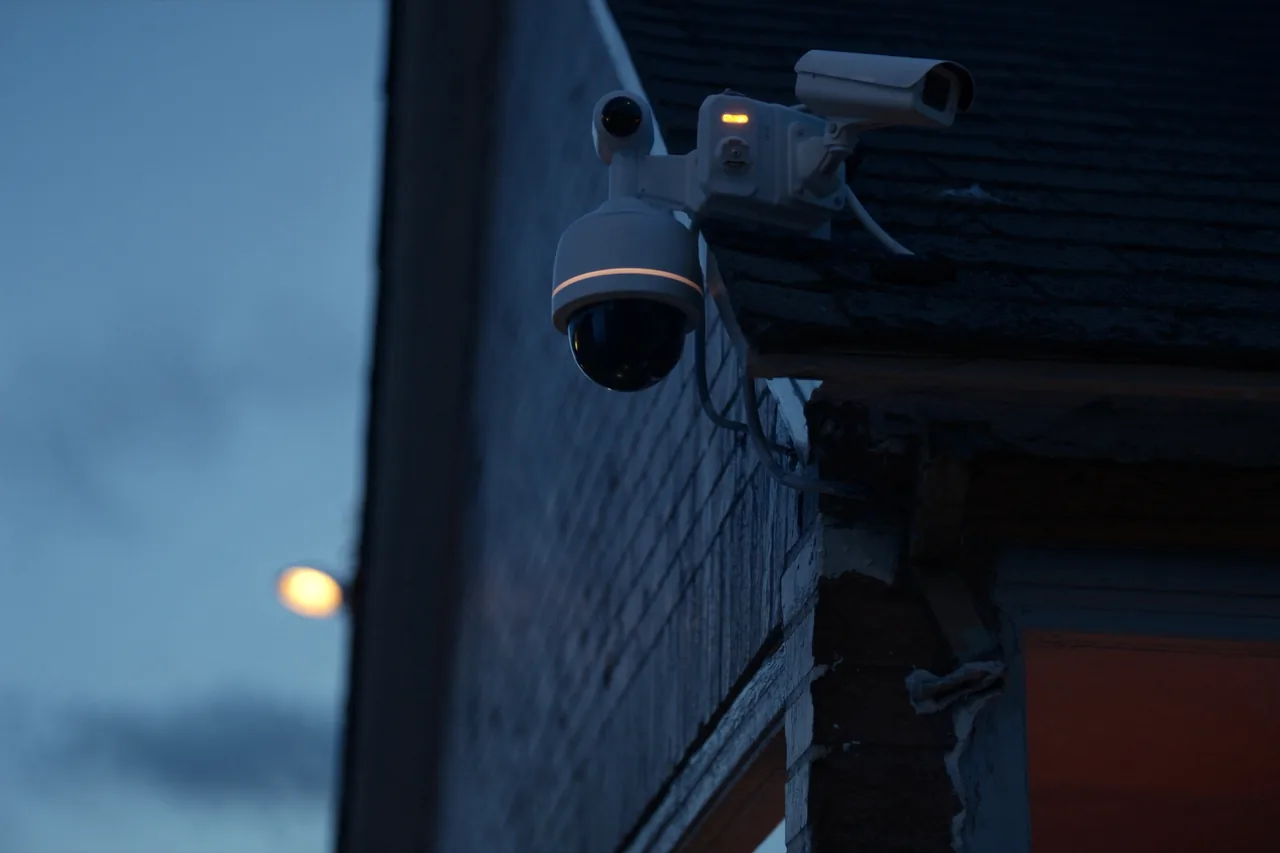
Recording is a receipt. Monitoring is a response.
Most commercial camera systems are installed, admired, and then ignored until something goes wrong — at which point they produce a clean recording of exactly how the theft happened. The footage helps a claim. It doesn’t stop a loss. Monitoring closes that gap by putting detection, judgment and intervention behind the lens while the event is still in progress.
How a monitored event unfolds
- Detection. AI-assisted analytics watch every feed continuously and flag human and vehicle activity in the zones and hours you’ve defined — no operator fatigue, no missed camera 14.
- Verification. A trained operator looks at the live video and answers the question software can’t: is this a threat, a contractor, or a raccoon?
- Intervention. A live voice-down over on-site speakers — addressing the person, naming their location and behavior — paired with audio and visual deterrents. Being personally spoken to from a camera ends most incidents on the spot.
- Escalation. If the subject persists, dispatch sends patrol or officer response and involves police — with the operator narrating live intelligence: how many subjects, where, doing what.
- Documentation. Video preserved, incident report written, delivered to you with the footage that backs it up.
Where monitoring earns its keep
Monitoring is strongest where the geometry favors cameras: defined boundaries, clear sightlines, and after-hours periods when nobody should be there at all — so every detection matters.
- Fenced yards, laydown areas and equipment lots
- Construction sites between shifts and on weekends
- Parking lots and garages with vehicle break-in pressure
- Warehouse perimeters, docks and trailer parking
- Vacant buildings and properties between tenants
- Auto lots, dealerships and outdoor inventory
The honest limits
We’d rather lose a sale than oversell a camera. Monitoring has real prerequisites and real boundaries:
- Power and connectivity are non-negotiable — cameras need reliable power and network service; a site without them needs an engineering conversation first
- Cameras can’t touch anything — a breached door still needs an officer to physically secure it; that’s why monitoring pairs with patrol and alarm response
- Coverage is only as good as camera placement — blind spots are found in the site review, not discovered after an incident
- It doesn’t replace every post — visitor management, access control and face-to-face de-escalation remain guard work, full stop
What you receive as a client
- Incident reports with footage — every intervention documented, with the relevant video preserved and attached
- Event notifications per your escalation list — who gets woken up, for what, is defined in the procedures, not improvised
- System health flags — a camera offline, a feed degraded, or a connection down gets reported instead of silently becoming a blind spot
- Coverage reviews — detection zones and schedules adjusted as your site changes: new fencing, new staging areas, new hours
Layered with the rest of the program
Monitoring works best as a layer, not a silo. On a typical Worcester-area deployment, cameras watch the property continuously, operators intervene the moment something starts, patrol provides the physical response, and intrusion alarms cover the interior spaces cameras don’t see. One dispatch desk coordinates all of it, and one reporting stream tells you what happened. The wider technology stack — checkpoint verification, digital reporting, GPS-tracked patrol — is detailed on our technology page.
Video monitoring questions
Is someone actually watching, or is it just software?
Both, by design. AI-assisted detection watches every camera continuously and flags human or vehicle activity worth attention — that’s the part software does better than people. A trained operator then verifies what’s actually happening and decides the response: voice-down, deterrent activation, dispatch, police. Software never makes the judgment call alone.
What happens when someone is detected on our property?
The operator verifies the activity on live video, then intervenes — typically a live voice-down warning naming what the person is doing, paired with audio and visual deterrents. Most subjects leave at that point. If the situation continues or the operator confirms a crime in progress, dispatch escalates to patrol or officer response and to police, with recorded video preserved and an incident report to follow.
What does our site need for monitored cameras to work?
Reliable power and network connectivity for the cameras — that’s the honest prerequisite. Sites without utility power or wired internet can often still be served, but that’s an engineering conversation, not a promise. We assess connectivity, camera positions, lighting and coverage angles during the site review and tell you plainly whether monitoring will work on your property.
Can video monitoring replace our security guard?
Sometimes — and sometimes not, and we’ll tell you which is true for your site. Monitoring excels at watching large, clearly-bounded areas overnight for a fraction of a standing post’s cost. It cannot check ID at a door, manage visitors, physically secure a breached entrance, or de-escalate a person face to face. Many properties get the best result from monitoring layered with patrol response or a reduced guard schedule.